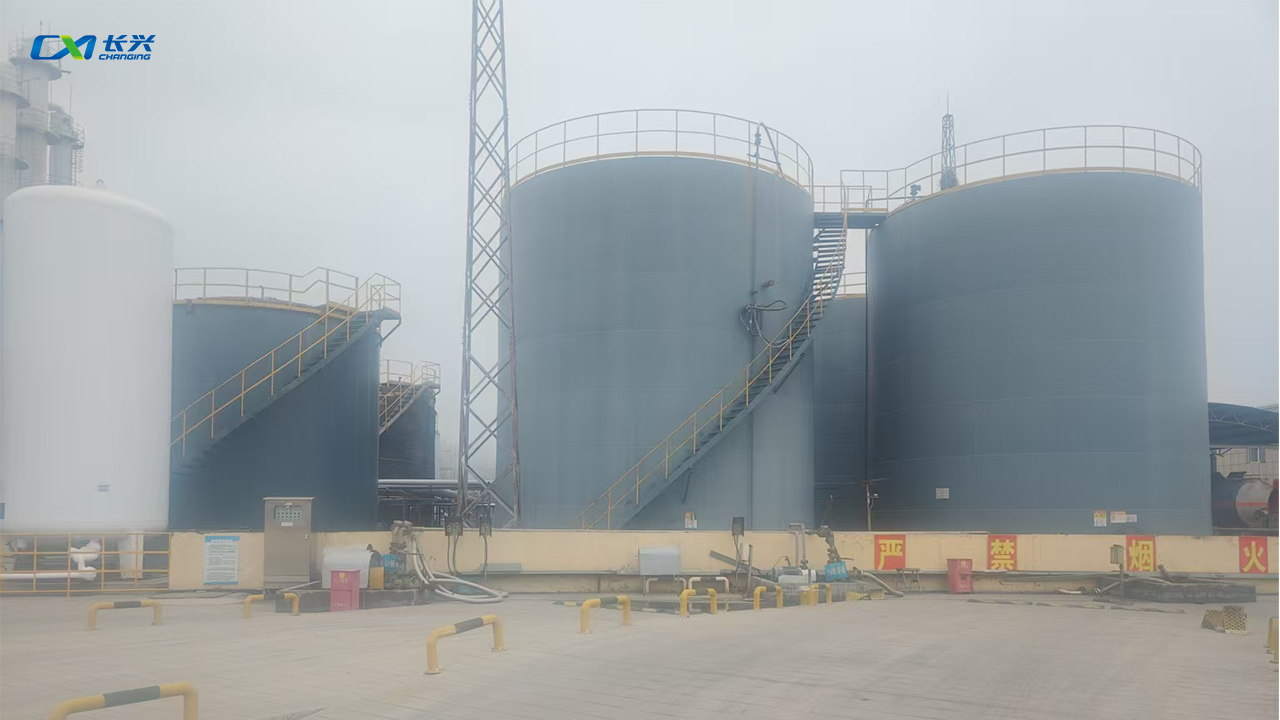
The chemical additives industry plays a crucial role in enabling sustainable development across multiple sectors. At Shandong Changxing Plastic Additives, we have integrated environmental responsibility into every aspect of our operations, from raw material sourcing to final product delivery.

Strategic Framework for Sustainable Development
Our sustainability strategy is built on three pillars: environmental protection, social responsibility, and economic viability. We align our practices with the United Nations Sustainable Development Goals (SDGs), particularly:
- SDG 6 (Clean Water and Sanitation): Water conservation and wastewater treatment
- SDG 7 (Affordable and Clean Energy): Energy efficiency and renewable energy adoption
- SDG 9 (Industry, Innovation and Infrastructure): Green manufacturing technologies
- SDG 12 (Responsible Consumption and Production): Circular economy principles
- SDG 13 (Climate Action): Carbon emission reduction and climate change mitigation
Green Manufacturing Initiatives
Energy Efficiency and Carbon Reduction
We have implemented comprehensive energy management systems certified to ISO 50001 standards:
- High-Efficiency Equipment: Installation of variable frequency drives (VFD) on all motors (>5kW), premium efficiency IE3 motors, and optimized reactor designs with improved heat transfer coefficients
- Waste Heat Recovery: Regenerative thermal oxidizers (RTO) capture and reuse reaction heat, preheating incoming raw materials and reducing natural gas consumption by 28%
- Smart Energy Management: Real-time monitoring system tracks electricity, steam, and compressed air usage across 45 measurement points, enabling data-driven optimization
- LED Retrofitting: Complete facility lighting upgrade to LED fixtures with motion sensors and daylight harvesting controls
Achieved Results (2020-2026):
- ✓ 35% reduction in energy consumption per ton of product
- ✓ 42% reduction in Scope 1 CO₂ emissions (absolute: 8,500 tons/year)
- ✓ Energy cost savings: ¥3.2 million annually
Air Quality Protection and VOC Control
Our comprehensive air quality management strategy exceeds national GB standards and aligns with EU Industrial Emissions Directive requirements:
- Advanced VOC Abatement: Regenerative Catalytic Oxidation (RCO) system achieves 98.5% VOC destruction efficiency, with outlet concentrations <20 mg/m³ (limit: 50 mg/m³ per GB 31571-2015)
- Fugitive Emission Control: Leak Detection and Repair (LDAR) program conducts quarterly inspections of 2,800+ potential leak points (valves, flanges, pumps)
- Low-NOx Combustion: All boilers and thermal oil heaters equipped with ultra-low NOx burners (<30 mg/m³ NOx emissions)
- Continuous Emissions Monitoring System (CEMS): Real-time monitoring of SO₂, NOx, particulate matter, and VOCs with data transmission to environmental authorities
- Third-Party Audits: Annual environmental compliance audits by SGS, plus semi-annual stack testing by certified laboratories
Water Stewardship and Zero Discharge
Water is a precious resource, and our integrated water management approach minimizes consumption while maximizing recycling:
- Closed-Loop Cooling Systems: Recirculating cooling water accounts for 92% of total cooling demand, reducing freshwater makeup by 1.8 million liters annually
- Rainwater Harvesting: 3,500 m² rooftop collection system captures 2,800 m³/year for landscape irrigation, road washing, and cooling tower makeup
- Wastewater Treatment and Reuse: Multi-stage treatment process (anaerobic + aerobic biological treatment + MBR membrane filtration + RO reverse osmosis) achieves 95% water recovery rate
- Zero Liquid Discharge (ZLD): Concentrated brine from RO system is evaporated in falling film evaporators, producing solid salts for proper disposal and distilled water for reuse
- Hazardous Chemical Containment: Double-walled storage tanks, impermeable flooring with collection sumps, and emergency shutdown systems prevent accidental releases
| Water Management Metric | 2020 Baseline | 2026 Achievement | 2030 Target |
|---|---|---|---|
| Total Water Withdrawal (m³/year) | 185,000 | 112,000 (-39%) | ≤92,500 |
| Water Recycling Rate | 68% | 87% | ≥92% |
| Wastewater Discharge (m³/year) | 58,000 | 5,200 (-91%) | 0 (ZLD) |
Waste Minimization and Circular Economy
Our waste hierarchy follows the "3R" principle: Reduce, Reuse, Recycle:
- Process Optimization: Advanced process control (APC) reduces off-spec product generation by 65%, saving 180 tons/year of raw materials
- By-product Utilization: Recovered 2-ethylhexanol is purified and reused as secondary raw material (closed-loop recycling)
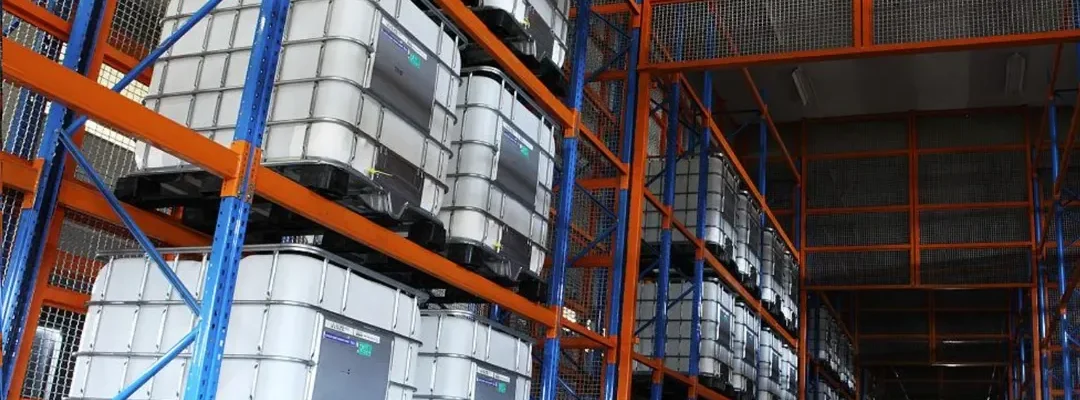
- Packaging Waste Reduction: IBC (Intermediate Bulk Container) return program achieves 95% reuse rate for customer packaging
- Hazardous Waste Management: Spent catalyst sent to licensed processors for titanium recovery (>90% metal recovery rate)
- Non-Hazardous Waste: Sludge from wastewater treatment is composted and used as soil conditioner in local agriculture
Environmental Certification and Compliance
Our environmental management system is certified to ISO 14001:2015 standards, demonstrating our commitment to continuous improvement in environmental performance. We also comply with:
- China's Environmental Protection Law (2015 revision) and related regulations
- EU REACH Regulation (EC) No 1907/2006 - Registration, Evaluation, Authorization and Restriction of Chemicals
- Responsible Care® Global Charter through China Petroleum and Chemical Industry Federation (CPCIF)
Future Sustainability Commitments (2026-2030)
🎯 2028 Milestones
- ✓ 100% renewable electricity (solar PV + green power procurement)
- ✓ Install 2 MW rooftop solar photovoltaic system
- ✓ Electric vehicle charging stations for employee fleet
- ✓ Digital twin implementation for energy optimization
🌍 2030 Vision
- ✓ Carbon neutrality for Scope 1 & 2 emissions
- ✓ 50% reduction in water withdrawal (vs. 2020 baseline)
- ✓ Zero waste to landfill certification
- ✓ 100% sustainably sourced raw materials
Sustainability: A Journey, Not a Destination
At Shandong Changxing Plastic Additives, we recognize that sustainability is an ongoing commitment requiring continuous innovation, investment, and stakeholder engagement. We publish an annual Sustainability Report (GRI Standards) and welcome dialogue with customers, regulators, communities, and NGOs to advance our environmental performance. Together, we are building a greener future for the chemical industry and the planet.