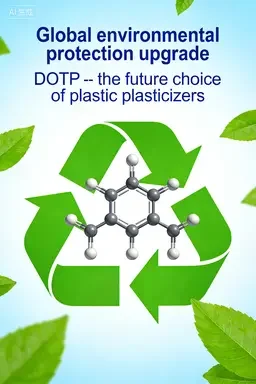
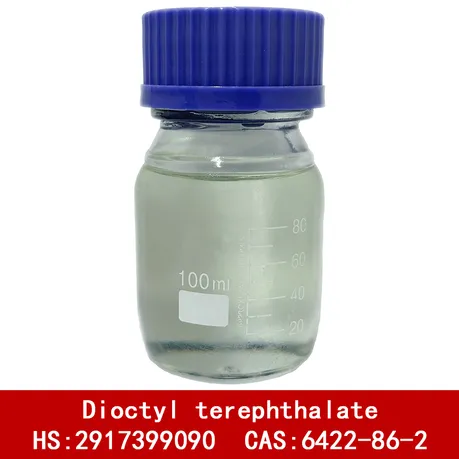
Dioctyl Terephthalate (DOTP) has emerged as one of the most important non-phthalate plasticizers in the modern plastics industry. This comprehensive guide explores our advanced production technology and quality control systems.
Chemical Reaction Principle
The production of DOTP involves the esterification of terephthalic acid with 2-ethylhexanol in the presence of a titanium-based catalyst. The overall chemical reaction can be represented as:
C₆H₄(COOH)₂ + 2 C₈H₁₇OH → C₆H₄(COOC₈H₁₇)₂ + 2 H₂O
(TPA) + (2-Ethylhexanol) → (DOTP) + (Water)
Manufacturing Process Overview
Raw Material Selection and Quality Control
The production of high-quality DOTP begins with careful selection and testing of raw materials according to strict specifications:
- Terephthalic Acid (TPA): Purity ≥99.9%, moisture content <0.1%, particle size optimized for rapid dissolution
- 2-Ethylhexanol (2-EH): Purity ≥99.5%, water content <0.1%, distillation range within 1°C
- Catalyst System: Proprietary titanium-based catalyst (tetrabutyl titanate), concentration precisely controlled at 0.05-0.15% by weight
Esterification Reaction Stage
The core of our DOTP production involves a carefully controlled continuous esterification process in multi-stage reactors:
- Temperature Control: Precisely maintained at 220-250°C using advanced PID controllers with ±0.5°C accuracy
- Pressure Management: Operated under vacuum conditions (-0.08 to -0.095 MPa) to facilitate water removal
- Reaction Time: Optimized residence time of 4-6 hours for complete conversion (>99.8%)
- By-product Removal: Continuous azeotropic distillation removes water, driving equilibrium toward product formation
- Nitrogen Blanketing: Inert nitrogen atmosphere prevents oxidation and maintains product color stability
Purification and Finishing
After esterification, the crude DOTP undergoes multiple purification steps:
- Neutralization: Residual acidity neutralized with sodium carbonate solution
- Stripping: Unreacted alcohol removed under high vacuum (<1 mmHg) at 180-200°C
- Filtration: Multi-stage filtration through 10μm, 5μm, and 1μm cartridge filters
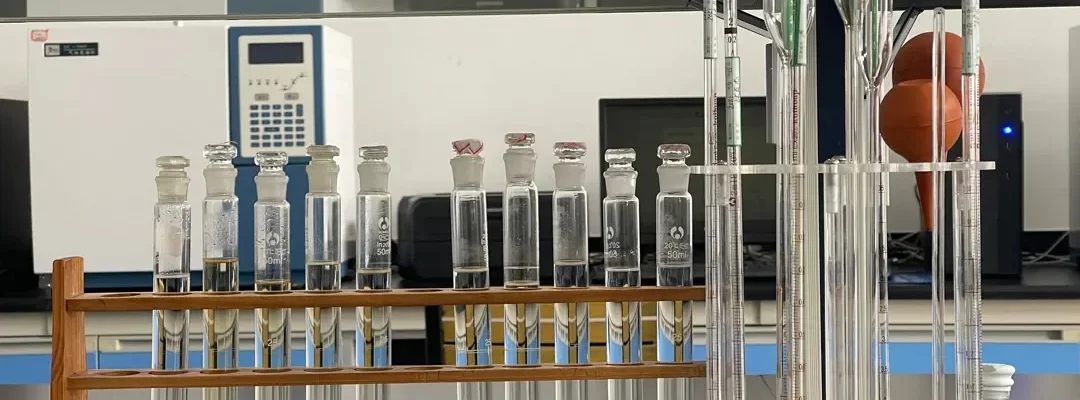
- Quality Testing: Every batch tested against 15+ quality parameters before release
Comprehensive Quality Parameters
Our DOTP product meets or exceeds international industry standards including ASTM D5208 and ISO 10502:
| Parameter | Specification | Test Method | Typical Result |
|---|---|---|---|
| Ester Content | ≥99.5% | GC (Gas Chromatography) | 99.7% |
| Acid Value | ≤0.1 mg KOH/g | ASTM D974 | 0.05 mg KOH/g |
| Color (APHA) | ≤30 | ASTM D1209 | 15-20 |
| Moisture Content | ≤0.10% | Karl Fischer Titration | 0.05% |
| Density (20°C) | 0.983-0.987 g/cm³ | ASTM D4052 | 0.985 g/cm³ |
| Flash Point | ≥200°C | ISO 2592 | 210°C |
| Volume Resistivity | ≥1×10¹⁴ Ω·cm | ASTM D257 | 2.5×10¹⁴ Ω·cm |
Key Application Areas
DOTP's superior properties make it the preferred choice for demanding applications:
- PVC Wire and Cable Compounds: Excellent electrical insulation properties (volume resistivity >10¹⁴ Ω·cm), low volatility ensures long-term performance
- Medical-grade Flexible PVC: Non-phthalate formulation, biocompatible, complies with EU REACH and FDA regulations
- Food Packaging Films: Low migration rate, odorless, suitable for direct food contact applications
- Synthetic Leather Production: Superior flexibility at low temperatures (glass transition temperature <-40°C), excellent abrasion resistance
- Automotive Interior Materials: Fogging resistance, UV stability, meets OEM specifications for interior components
- Sealants and Adhesives: Good compatibility with various polymers, low viscosity improves processing efficiency
Production Capacity and Technical Excellence
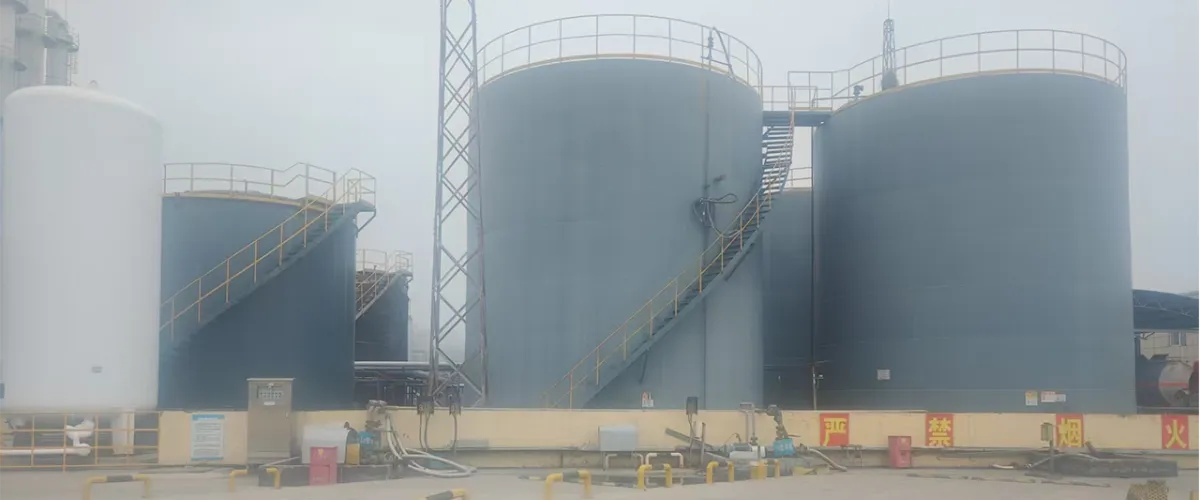
Our state-of-the-art facility features an annual production capacity of 50,000 metric tons of DOTP, manufactured using continuous esterification technology with fully automated DCS (Distributed Control System) monitoring. Every batch is traceable from raw material intake through final product delivery, ensuring consistent quality that meets international standards.